
SECTION 1. PROJECT DESCRIPTION
This section provides an introductory overview of the project through an explanation of the management problem, operational context, and the purpose of the study. It explains why hybrid communication has become an important managerial issue in catastrophe (CAT) claims operations in the US property insurance in the context of natural disaster response. The section also explains the stance of the research to fill a recorded gap in practice-informed guidance regarding the way that CAT claims managers make communications decisions under extreme operational pressure.
Overview of the Project
When Hurricane Ida hit the United States in 2021, billions of dollars in damages have occurred in a matter of hours, and there were thousands of policyholders in need of immediate help. In these early hours, catastrophe (CAT) claims managers had the task of coordinating the coordination of teams, communicating with customers, and stabilizing operations with a combination of remote systems and in-person deployment in an extremely time-pressured manner.
CAT claims managers at US property insurance organizations have a key management role in the disaster response situation. They are responsible for the communication and coordinating the claims workflow, directing the field staffs and taking care of the internal team stability and customer trust. These responsibilities require managers to make quick decisions regarding the ways communications are to take place, whether by remote technologies, presence, or a combination of both. These hybrid communication decisions directly impact operational resiliency, customer satisfaction, and employee well-being during high-impact natural disasters.
According to Federal data on disaster events, there has been a consistent increase in the frequency and severity of billion-dollar disaster events across the United States (Federal Reserve Banks, 2022; FEMA, n.d.). According to the research that is conducted as a part of FEMA Customer Satisfaction Analysis System (CSAS), one of the most significant aspects that can cause the survivor satisfaction is effective communication with its clearness, timeliness, and compassionate nature (Clark, 2023). At the same time, government accountability reports show that extended onsite deployment during disasters is a factor in causing employee fatigue, stress, and burnout (U.S. Government Accountability Office, 2023). These findings point to a management tension, which is that remote communication allows for speed and reach, whereas in-person communication facilitates empathy and trust.
There are examples from the major disaster responses that illustrate this communication challenge still further. Successful operations such as the Chilean mine rescue and the Thai cave rescue were based on a conscious mix of remote coordination and visible and on-site leadership (Ahmed et al., 2021; Harvard Business School Online, 2018). In contrast, crises such as Hurricane Katrina and Three Mile Island demonstrated the consequences of bad coordination of communication and a lack of leadership (Batur & Alkan, 2023; Short, 2021). These cases represent how the disaster management effectiveness is highly influenced by the usage of remote and face-to-face communication by leaders. Even though the value of communication in disaster situations has been recognised, very little practitioner-informed guidance is available as to how CAT claims managers decide when to rely on remote systems, when to deploy in person, and how to carry out hybrid communication in disaster situations. This project examines how U.S. catastrophe claims managers make real-time hybrid communication decisions during high-impact natural disasters to inform practitioner-guided strategies that strengthen operational resilience, employee well-being, and customer trust.
Problem Statement and Purpose
Problem Statement
The general business problem is that many businesses fail to maintain operational continuity during and after natural disasters, resulting in severe disruptions to business performance (Ali et al., 2023; Gupta et al., 2023; Rivero et al., 2023). Natural disasters are increasing in both frequency and intensity, amplifying the risk to organizational stability and economic performance. Galaitsi et al. (2023) found that 43% of businesses hit by a natural disaster never reopen, and 65% of those that reopen fail within 2 years. Between 2020 and 2024, the United States experienced an average of $23 billion in disasters annually, more than double the historical average, with events such as Hurricanes Helene and Milton in 2024 causing over $300 billion in damages and more than 250 fatalities (Broadsight, 2025). These escalating events highlight a growing need for business leaders to adopt structured, evidence-based continuity and disaster response strategies that protect operations, employees, and customers.
Specific Business Problem
The specific business problem is that some U.S. catastrophe (CAT) claims managers in disaster response property insurance face challenges in executing continuity and disaster response operations that rely on hybrid communications ccording to Cummins and Mahul (2020). This can undermine operational resilience, customer satisfaction, and employee well-being during high-impact natural disasters.
Alignment with the Program
This project encompasses the Capella University Doctor of Business Administration (DBA) program with a specialization in general management, which involves leadership decision-making, operational coordination, and communication strategy in complex environments. The DBA program focuses on evidence-based practice, applied leadership, and organizational innovation in the solution of complex, real-world business problems. The general management specialization prepares scholar-practitioners to evaluate operational models and synthesize interdisciplinary research and translate from theory to a practical approach in organizational resiliency (Bolea & Atwater, 2016; Jaafar et al., 2021).
This study is consistent with the specialization in that it addresses management and operational challenges that affect organizational performance during high-stakes situations. Managing disaster response, crisis communication, workforce coordination, and customer service requires leaders to synthesize systems, people, and strategy, core competencies in general management. CAT claims managers must integrate people, process, and technology under fire.
These obligations mirror fundamental general management functions in changing working settings. By studying the practices of remote and in-person disaster response by organizations to maximize customer satisfaction and the welfare of employees, this project contributes to the development of adaptive and human-centered management practices.
Finally, the research is reflective of Capella’s scholar-practitioner model in that we use academic research to solve a practical problem that enhances the business’s resilience. It provides practice-oriented information for managers who are struggling to develop scalable disaster response frameworks to safeguard their stakeholders, sustain operations, and build trust in the complex, quickly changing world. Therefore, in so doing, the project fosters the general discipline of management through generating strategies for practitioners for improving decision-making, workforce coordination, and communication effectiveness for disaster-prone industries.
Purpose Statement
The purpose of this generic qualitative inquiry is to explore how U.S. catastrophe (CAT) claims managers in disaster-response property insurance execute continuity and disaster-response operations that rely on hybrid communication during high-impact natural disasters.
Gap in Practice
The gap in practice is that there is limited practitioner-informed guidance on how CAT claims managers in disaster-response property insurance execute hybrid communication during catastrophe response operations as according to (Defnall, 2025). This can undermine operational resilience, customer satisfaction, and employee well-being during high-impact natural disasters. Currently, CAT claims managers rely on ad hoc or experience-based communication decisions during disaster response, with limited empirically grounded guidance. The desired state is a practitioner-informed framework that supports consistent, timely, and empathetic hybrid communication decisions under extreme operational pressure.
Theoretical Framework
As natural disasters become more frequent and severe, catastrophe (CAT) claims managers in U.S. property insurance organizations are increasingly required to maintain operational continuity and stakeholder trust while navigating the complexities of remote and in-person communication. Media richness theory (MRT), introduced by Daft and Lengel (1986), provides the theoretical foundation for this study by explaining how communication channels differ in their capacity to convey information effectively under conditions of uncertainty and urgency, conditions that define disaster response operations (Menard, 2025). MRT posits that communication media vary in richness based on their ability to support shared understanding, reduce ambiguity, and convey social cues. This makes MRT particularly relevant to understanding how CAT claims managers choose and balance communication modes during high-impact events in which emotional intensity, time pressure, and operational complexity intersect.
MRT identifies four constructs, feedback immediacy, social cues, language variety, and personal focus, that influence the richness of a communication medium (Sheer, 2020). Feedback immediacy reflects how quickly participants can exchange information, allowing CAT claims managers to clarify claims details, coordinate adjuster workflows, and make rapid decisions during evolving disaster conditions (Amakama et al., 2024). Social cues, including tone, facial expressions, and body language, are central to communicating empathy to disaster survivors and supporting staff who may be experiencing stress or fatigue according to Medina (2025). Language variety reflects the ability to use proactive, expressive language to explain policies, coverage limitations, or next steps clearly and sensitively (Miller et al., 2004). Personal focus captures the relational dimension of communication, enabling claims managers to humanize interactions, build trust, and address claimant concerns more effectively.
In disaster response contexts, MRT’s constructions are especially salient. Research from FEMA’s Customer Satisfaction Analysis System (CSAS) shows that survivors value timely, compassionate, and personalized communication during recovery efforts (Clark, 2023). MRT explains why remote systems such as scripted call centers, automated texts, or impersonal email updates often fail to provide the richness needed to convey empathy in emotionally charged interactions as highlighted by (Bindrees et al., 2014). Conversely, in-person communication allows CAT claims managers to detect nonverbal cues, adjust tone, and demonstrate presence, all of which improve trust and understanding. Disaster research, including analyses of the Chilean mine rescue, the Thai cave rescue, and the Deepwater Horizon response, consistently demonstrates that hybrid communication models that combine in-person and remote modes produce more coherent coordination and stronger stakeholder confidence (CrisisCompass, 2023; National Geographic, 2020; Oba & Berger, 2024). These cases reinforce MRT’s central principle: the medium through which a message is delivered significantly shapes how that message is interpreted.
MRT will guide both data collection and analysis in this generic qualitative inquiry. Semi-structured interviews will be conducted exclusively with CAT claims managers in U.S. property insurance organizations, ensuring alignment with the specific business problem. MRT constructs will directly inform the design of interview questions, prompting participants to describe how they assess communication richness during disaster operations, how they interpret or compensate for missing social cues in remote interactions, and how they determine when in-person communication is required to support customer satisfaction or employee well-being. Questions will also explore how CAT claims managers balance efficiency and empathy, how they adapt communication strategies under time pressure, and how hybrid communication practices influence decision-making and team coordination.
Themes will be organized around MRT’s core constructs, enabling identification of patterns in how CAT claims managers perceive, evaluate, and implement communication strategies across remote and in-person contexts. This theoretically grounded approach ensures that findings reflect both experiences and an established scholarly framework, strengthening the study’s rigor and relevance. This is an appropriate and compelling theoretical lens for this study because it explains how communication media influence understanding, empathy, decision-making, and trust constructs that are central to CAT claims management during disaster response.
Anchoring the study in MRT provides a coherent and rigorous foundation for examining how CAT claims managers can develop hybrid communication strategies that integrate the speed and scalability of remote systems with the empathy, clarity, and immediacy of in-person engagement. This theoretical grounding supports the study’s goal of generating practical, evidence-based insights that enhance service quality, operational continuity, and stakeholder confidence during high-impact natural disasters.
Project Context
This project falls within the domain of general management, focusing specifically on
workforce management, operational coordination, and leadership communication within
disaster-response operations in the U.S. property insurance industry. As organizations in
disaster-prone regions face increasing uncertainty and disruption, they are under mounting
pressure to maintain service continuity, safeguard employee well-being, and meet stakeholder
expectations. The growing frequency and severity of natural disasters intensify these challenges,
requiring managers responsible for disaster-response operations to make rapid decisions about
leadership presence, communication strategies, and resource allocation. These decisions have
direct implications for customer satisfaction, employee motivation, and overall business
performance.
In this context, improved management practices, particularly those that support hybrid
communication, defined as the intentional integration of remote and face-to-face
communication is urgently needed. Although technological advances have expanded the
availability of virtual communication tools, their effectiveness in high stress, emotionally
charged disaster scenarios remains inconsistent. Research indicates that relying solely on one
communication mode during crises can weaken emotional connection, reduce clarity, and erode
trust (Abatayo et al., 2020; Liu et al., 2023). Yet managers often lack empirically grounded
guidance on how to balance efficiency with empathy when communicating during a catastrophe
Response. This gap is especially pronounced in U.S. property insurance firms that manage
catastrophe (CAT) claims (Defnall, 2025). CAT claims managers operate at the intersection of operational coordination, workforce coordination, and customer service. Despite their critical leadership role, many rely on ad hoc communication decisions rather than standardized hybrid communication practices. As Vandrevala et al. (2024) note, communication breakdowns during emergencies undermine trust, weaken resilience, and complicate recovery efforts.
To address this need, this research investigates how managers select and apply
both face-to-face and remote communication methods during disaster-response operations. The
goal is to generate practical, evidence-based insights that can support more consistent,
empathetic and effective communication practices in the property insurance industry’s
catastrophe-response environment.
Nature of the Project
This project is an applied, practitioner-oriented investigation aimed at solving a
management problem within the business sector—specifically, the management of
property-insurance operations during catastrophe (CAT) events. The study is situated in a
commercial, privately operated environment, and emphasizes organizational management and
interpersonal leadership strategies rather than public policy, healthcare systems, or essential
public services.
CAT claims managers play a pivotal role during disaster events. Their responsibilities
include coordinating geographically dispersed teams, processing large volumes of claims under
time pressure, maintaining communication with policyholders who have experienced significant
loss, and ensuring continuity of operations in highly volatile conditions (Naruetharadhol & Ketkaew, 2018). These responsibilities place substantial demands on managerial judgment, particularly in the realm of communication.Managerial communication has been shown to significantly influence organizational performance during crises (Pedersen et al., 2020). While digital communication platforms enable rapid information exchange, they also present challenges related to message clarity, emotional nuance, and trust building. These limitations become especially pronounced in high stress, emotionally charged disaster-response environments.
To address these issues, this study examines how CAT claims managers make decisions
about when to use in-person communication versus remote communication. The project is
grounded in general management practice, focusing on leadership decision-making rather than
on the technological tools themselves. The anticipated findings are intended to inform the
development of communication protocols, operational planning strategies, and
leadership-development initiatives within disaster-response business settings.
Scope
The scope of this project is intentionally narrow and aligned with the expectations of a
Doctor of Business Administration (DBA) study. The analysis focuses exclusively on CAT
claims managers working within U.S. property-insurance organizations that respond to
catastrophe events. The project does not include customers, emergency responders, frontline
adjusters, or public-sector officials. Instead, it centers solely on managerial decision-making
involved in selecting and implementing communication strategies during disaster-response
operations.
This study examines communication approaches used during high-impact natural
disasters—such as severe storms, hurricanes, floods, and wildfires. It does not address insurance
underwriting, post-recovery policy changes, or disaster-prevention efforts. The investigation is
limited to understanding how communication decisions influence employee well-being and
customer satisfaction during the active response phase and the initial stages of recovery.
The project maintains a deliberately focused scope to ensure alignment with the stated
problem, purpose, and practice gap. While the findings may offer insights applicable to
crisis-prone industries beyond property insurance, they are not intended to be generalized across
all organizational contexts. Instead, the results are designed to inform communication planning
and leadership practices specifically within catastrophe-response environments in the
property-insurance sector.
Significance of the Project
This project holds substantial relevance for business executives in the U.S.
property-insurance industry, where communication breakdowns during catastrophe response can
lead to operational delays, diminished customer confidence, and increased employee burnout.
Research demonstrates that the quality of communication among organizational leaders is
intricately linked to organizational resilience and the effectiveness of service restoration
following major disruptions (Rivero et al., 2023). In catastrophe-response environments, this
relationship becomes even more critical according to Cummins & Mahul (2020).
CAT claims managers face unique pressures, including time-sensitive decision-making,
high operational stress, and emotionally charged interactions with disaster survivors (Defnall, 2025). In the absence of systematic guidance on hybrid communication strategies, managers may unintentionally compromise the well-being of employees or the experience of policyholders. (Naruetharadhol & Ketkaew, 2018) Scholars emphasize that human-centered leadership approaches are essential for sustaining employee engagement, innovation, and adaptability during periods of uncertainty (Diniz et al., 2025).
The findings of this study have the potential to support practitioners in identifying
communication practices that strengthen coordination, empathy, and clarity during disaster
response. By offering evidence-based insights grounded in both scholarly research and industry
practice, the project contributes to improved stakeholder trust, operational continuity, and
leadership effectiveness within catastrophe-response settings. Ultimately, the study advances
practical knowledge that can enhance managerial decision-making in one of the most demanding
environments within the property-insurance sector.
Historical Background and Current Trends
To situate the proposed project within its broader context, it is essential to understand the
historical evolution of crisis-communication practices and the contemporary trends shaping
managerial communication today. Over time, communication strategies used during disasters
have been influenced by rapid technological advancements, increasing organizational
complexity, and rising expectations for transparency and visible leadership. These forces have
collectively transformed how managers convey information, coordinate teams, and maintain trust
during high-pressure events.
This section traces the development of crisis-communication approaches within
management, highlighting key shifts from traditional, hierarchical communication models to
more adaptive, technology-enabled practices. It also examines current trends that emphasize the
growing importance of hybrid communication—an intentional blend of face-to-face and remote
methods—as organizations navigate the demands of speed, clarity, empathy, and operational
resilience in disaster-response environments.
1. Historical Foundations of Crisis and Disaster Communication
The scholarly roots of crisis communication are not in technology, however, but rather in ambiguity. In times of disruptive events, Weick’s theory of sensemaking had determined that communication is the main medium for individuals to make sense of reality, ascribe meaning to unfolding events, to restore a cognitive order (Weick, 1995). In this perspective, the communication of managers in times of crisis is not merely the transmission of information but has a more active role by constructing the understanding of situations by employees and stakeholders. Mitroff’s stages of organizational crisis added even more weight to this argument suggesting that ability to move from chaos to coordinated response is very dependent on the communication of leaders during and immediately after disruption (Mitroff, 2005). Coombs’ Situational Crisis Communication Theory intromitted a explicit relational aspect to the theory and indicated that in the situation of crisis, leadership communication with responsibility, empathy and clarity would directly have an impact on the level of trust from the stakeholders (Coombs, 2007).
This argument is supported by High-Reliability Organization (HRO) research. As Roberts (1990) and Weick and Sutcliffe (2015), revealed that in the case of some environments, such as aviation, nuclear energy, emergency response, etc, it would often not be technical breakdowns that are found to be the cause of these catastrophic failures so it’s a breakdown in communications that impairment situational awareness. HROs are therefore making visible the presence of leadership, speedy feedback loops and rich exchanges of communications as safety nets against ambiguity.
The empirical illustration of historical disaster analyses. Studies of Hurricane Katrina, the Chilean mine rescue and the Thai cave rescue all consistently show that stakeholder confidence and coordination of operations was improved when leaders had direct, visible and interactive communication, rather than relying solely on mediated channels of communication (Grossman, 2020). These cases demonstrate that the communication medium is involved in making sense, building trust, and coordinated actions in the face of catastrophe.
Collectively, this foundation provides a foundation for a fundamental principle for this study: choices in communication that managers make during disasters are consequential. This principle is in a direct correspondence of the Media Richness Theory in which immediacy of feedback, social cues, language variety and personal focus govern the effectiveness of communication under uncertainty (Daft & Lengel, 1986).
2. Shift from Face-to-Face to Technology-Mediated Crisis Communication
With the geographic and technological developments of organizations, the dependence on physical presence in the communication of a crisis may no longer be sufficient. The advent of radios, telephones and those digital platforms made it possible, then, for managers to direct dispersed teams on a scale. However, scholars began to observe that in many instances a greater communication reach had the effect of reducing the communication richness.
Daft and Lengel (1986) first hypothesized that lean media were efficient in situations where routine information exchange was needed and were insufficient in ambiguous, emotionally intense situations. Dennis et al. (2008) went further and showed that communication speed is not a substitute for communication richness, at least in the case where individual must interpret uncertain events. Crisis informatics scholars such as Palen and Anderson (2016) have further demonstrated that digital information communication systems provide benefits in terms of increasing information communication, but increase the difficulty in sensemaking, in times of high emotional/situational ambiguity.
Abatayo et al. (2020) empirically proved the role of communications channels on expectations and trust, where the richer in media the level of understanding under stressful or ambiguous situations. These findings reinforce a tension that is upfront to catastrophe operations currently: The ability of technology to create scale and pace is a good thing, but it can provide less social cues and personal focus of trust and clearness.
For CAT claims managers in US property insurance catastrophe response, this changed the reality in operations. Managers have to orchestrate field adjusters, remote claims teams and vendors alongside distressed policyholders at the same time using digital systems but retain a visible leader presence when the emotional intensity and uncertainty are raised. Hybrid communication is thus not a choice but a structural requirement which was produced by the development of communication technology.
3. Current Trends in Crisis Leadership and Hybrid Communication
Recent scholarship has given more attention to hybrid communication as a competency for leadership in high pressure environments. Wang et al., 2022, “Virtual Leadership Affects Efficiency During Crisis: Implications for Remote Work” In Virtual Leadership, Human Resource Management (Harmonies). Vandrevala et al. (2024) suggests that there is a straight relationship in quality of communication and global and community resilience especially with a balance of clarity and relational presence of leaders.
Fernandez et al. (2023) showed that leaders who have been trained both virtually and in-person have better situational judgement skills as it relates to communication channel selection. This finding suggests that in order to be effective crisis leaders, they need to know not only what to communicate, but how to select the right medium based on the emotional intensity and level of uncertainty of the task.
Human-centered leadership research is also strengthening this trend. Diniz et al., 2025 shows that leaders keeping psychological safety and empathy during turbulent events diminishes burnout whereas engages people to continue to work. These outcomes are highly connected with communication that maintains social cues and individual concentration that are essential constructs of Media Richness Theory.
Practitioner’s research is a reflection of these scholar knowledge. Rivero et al. (2023) found that customer satisfaction from the disruptions caused by disasters is greatly influenced by the quality and mode of communication during the recovery process. This is also the case with FEMA guidance, which emphasizes timely, compassionate, and frequent communication as the key to the success of the disaster recovery effort (FEMA, 2023).
In all of these studies there is a consistent message – successful crisis leadership now requires an intentional blend of virtual and in-person communication. However, while scholars offer definitions of the importance of richness, trust, empathy, and well-being, and practitioners offer insights into issues of scale and speed, neither body of literature provides CAT claims managers with clear guidance about how to determine when to rely on remote systems, and when to engage in person, during live catastrophe response.
Study Gap
Historical theory, technological evolution, and contemporary research on leadership all suggest that the medium of communication makes a difference to trust, clarity, resilience and well being during disasters. For CAT claims managers in U.S. property insurance catastrophe response, these factors combine in the hybrid communication decision-making of a daily routine under pressure. Despite this convergence, such a framework based on evidence that relates constructs of Media Richness Theory to operational channel-selection decisions within catastrophe claims environments does not exist in the literature. This unresolved need is the basis for this study.
Synthesis of the Scholarly Literature
Scholarly work on crisis communication, leadership in the face of uncertainty, and organizational resilience does not lead to a single prescription on how managers should communicate in the face of high-stakes events. Instead, four debates are yet to be resolved and dominate the literature: how trust is developed in a time of crisis, how to choose which medium of communication to use in times of ambiguity and time pressure, how does hybrid leadership contribute to operational resilience and how do you affect well being and burnout in times of crisis operations? Across these debates, scholars are persistent about the fact that the quality of the communication determines the outcome of a crisis, but there is no consensus about how the communication should be done when the managers are forced to choose between remote and face-to-face communication. These tensions serve as a direct parallel with hybrid communication choices CAT claims managers face in the face of US property insurance catastrophes and form the theoretical basis of this study.
1. Trust and Relational Communication – Presence vs. Responsive
Crisis communication scholars have come to some sort of consensus that trust stabilizes perceptions among stakeholders in the face of uncertainties, but they are rather divided about the building of trust. Coombs (2015) suggests that trust is built in crisis situation when leaders are visible, accessible and relationally present for stakeholders because physical presence is interpreted as commitment and accountability. Weick (1995) further supports this stand through his theory of sensemaking, which basically states that in ambiguous environments, individuals turn to social cues and embodied leadership for interpreting reality. Gillespie and Dietz (2009) go on to argue for trust repair after disruption on the basis of relational signals that are difficult to transmit via mediated channels.
In contrast, Liu, Austin and Jin (2016) challenge the primacy of presence, demonstrating that building trust is possible for stakeholders if there are feedback loops with fast-speed, consistent, responsive and transparent digital communication. Apuke and Tunca (2018) similarly argue that the thing that makes people see credibility in times of crises is not co-location but message clarity, frequency, and responsiveness. This position alters the meaning of trust as not as a function of physical closeness but a function of communicative reliability.
This disagreement is an exact translation of the Media Richness Theory (Daft & Lengel, 1986). Scholars in favour of presence stress the importance of the social cues and personal focus of MRT in building trust. Those in favor of responsiveness imply support for feedback rather than interaction in the flesh. The literature therefore is split on what is most important MRT construct in terms of trust during crisis.
For CAT claims managers, this debate is one of operations. They need to decide whether they need trust to the distressed policyholders and the worn out adjusters requires their physical presence in the field or can be done by quick structured mediated communications. The literature is clear regarding the importance of trust but does not help the trainees to prioritize what communicative behavior should take a predominance over under conditions of catastrophe.
2. Media Option under ambiguity- Rich Media or Efficient Media
Daft and Lengel (1986) believe that rich media reduce ambiguity because they allow for immediate feedback, multiple cues, natural language and personal focus. Dennis and Kinney (1998) are empirical evidences for this argument which shows that rich channels enhance understanding when tasks are equivocal. Liu et al. (2016) take this logic a step farther in terms of crises, that in such emotionally charged, and uncertain environments, rich communication is necessary to avoid misunderstanding. Hamid, Sarker and Sahaym (2024) also find that digital crisis situations still require richness in the face of high levels of ambiguity.
Dennis, Fuller and Valacich 2008, however, challenges this dominance of the richness by introducing media synergies (synchronicity) theory, which argues that efficiency and reach become important when there is the need for coordination across the actors dispersed. Apuke and Tunca (2018) further go to show that lean digital media can be more effective than rich channels where speed and scalability decides the level of effectiveness.
This contradiction is in direct response to MRT’s constructs of feedback immediacy and language variety. Rich media are this maximum of these constructs and of limited scalability. Lean media make for extending reach at the risk of losing nuance.
CAT claims operations aggravate this tension. Managers have to orchestrate hundreds of adjusters, vendors and call centers in addition to explaining complicated coverage procedures to distressed policyholders. Ambiguity is both operative and affective. Yet the literature leaves it at the fact that there is a trade-off and does not translate it into rules for leaders who are under time pressure to make decisions.
For CAT claims managers, the debate over the riches vs. scalability is not a theoretical one. It is a recursive and real-time decision in the context of catastrophe response and guidance from scholarly literature on how to make this choice is lacking.
3. Hybrid Leadership and Operational Resilience Conceptual Assistance, Practical Silence.
Recent scholars are staunch advocates of hybrid leadership as being important in turbulent environments. Rivero, Theodore, and Smith have argued in the 2023 that the resilience of organizations relies more on modes of communication than technical systems. Caputo, Marzi and Pellegrini (2024) maintain that leaders that incorporate remote coordination with selected face-to-face interaction enhance adaptability and responsiveness. Foldy, Goldman and Ospina in (2008) go on to highlight that leadership in a complex environments entails sensegiving in mass communicative contexts.
Despite this endorsement, however, these scholars seldom describe the way leaders know which of their interactions require physical presence, and which ones can be mediated. The conceptuality for supporting hybrid leadership is still there. Weick and Sutcliffe (2015) discuss how high-reliability organizations maintain resilience by practicing communication discipline, but they do not discuss the logic for choosing channels in a time of pressure.
Within MRT rich as well as reach in combination are called hybrid leadership. However, there is a lack of empirical studies on how managers change from one mode to the other in real time. The result of hybrid leadership is well praised in the literature, but there is often little discussion on the decision process that leads to the result.
This silence is important in the CAT claims operations. Managers have to juggle logistical, workforce welfare and customer recovery at the same time in the spread-out areas. Hybrid leadership is not optional, but inevitable and yet there is no scholarly work, which provide operational guidance on how to do it during response to catastrophe.
4. Well-being and Burnout in Crisis Operations
Maslach and Leiter (2016) suggest that burnout is lessened when employees feel supported, clear and human from leadership. Edmondson (2018) similarly shows that psychological safety is dependent on relational communication that will allow people to communicate stress and uncertainty. These scholars are suggesting that face-to-face communication is important to emotional reinforcement.
Fernandez et al, however, show that remote coordination during crisis leads to reduction of travel fatigue, physical risk and logistic strain in support of resilience. Diniz, Borges and Carvalho (2025) challenge this finding, in a study of distributed teams which found that the more time people spend using digital communication, the greater the emotional exhaustion and feelings of isolation.
This disagreement is mapped in MRT’s personal focus, and social cues. In-person interaction maximizes these constructs and digital coordination is focused on efficiency and safety.
For CAT claims managers this tension is direct. Remote communication helps to cushion staff from exposure and logistical fatigue in times of disaster, whilst lack of face to face support over a long period of time can lead to depression in times of long deployment. The literature acknowledges both truths but does not offer any advice as to how leaders should balance them.
Scholarly Synthesis and Unresolved Gap
On all the themes, there is consensus between scholars that the key to the effectiveness of crisis communication is communication. They disagree on what should dominate presence or responsiveness in building trust, whether richness should take precedence over scalability, whether hybrid leadership is operationalisable and whether remote communication is protective or damaging of well-being. What is missing is guidance to managers on how to make real-time channel decisions in the face of simultaneous emotional intensity, operational urgency and workforce strain.
This unresolved tension can be best viewed in CAT claims operations in U.S. property insurance catastrophes. The literature describes the importance of communication but does not describe the methodology that managers use in determining which mode of communication is needed in the moment. This gap serves as a direct support to the purpose of the study, or the translation of the Media Richness Theory into the decision guide for the practical implementation of hybrid communication in the catastrophe response.
.
Synthesis: Media Richness Theory Alignment to CAT Claims Hybrid Communication Decisions
Media Richness Theory provides a framework to structure these debates into actionable decision-making guidance for CAT claims managers in the course of CAT response in the U.S. property insurance system.
Feedback immediacy informs managers of channel choices that allow for rapid bi-directional coordination in a situation where there are cross-dispersed adjusters and vendors and shifting priorities of claims.
Social cues include a guide to how and when move to in-person or synchronous video engagement with staff and policyholders occur in order to understand and establish empathy with staff and policyholders and identify a change in emotional states affecting the recovery.
Language variety is helpful to inform the choice of channels available to managers explaining complicated procedural choices may be texted in the structured format for updates and richer dialogue for nuanced explanations.
Personal focus directs the manner in which managers must provide individual reassurance, team cohesion, and emotional support in the long drawn-out disaster operations.
Scholars seem to be consistent in their opinion that more rich media will be required under conditions of high uncertainty and emotional intensity. However, they are of no help to CAT claims managers when it comes to live catastrophe response in terms of channel selection.
This lack of information in decision guiding is a direct motivation for the present investigation aimed at the translation MRT constructs into useful hybrid communication guidance for CAT claims managers working under extreme disaster conditions.
.
Synthesis of the Practitioner Literature
Practitioner literature on catastrophe response in U.S. property insurance does not violate the work of scholars on crisis communication, but rather translates into operational form similar principles through protocols, dashboards, and play books. However, whilst scholars discuss trust, media richness, hybrid leadership and well-being on the conceptual level, practitioner guidance seeks to focus on procedural structure and compliance without explicitly describing the decision logic of hybrid communication. Across federal emergency management guidance, insurance regulating apparatuses and consulting playbooks, there are four fields of business that mirror: predefined correspondence protocols, tech-enabled practical coordination, help for workers to keep working, and multifaceted contact channels for the recovery process.
The National Incident Communications Plan (2023) of FEMA and incident control doctrine in the wider context of incident control layered messaging through automated signals to indicate the scale of the situation, established lines of steep rise in engagement, line authority by field meetings. Similarly, NAIC (2022) catastrophe response guidance for insurers endorses clarity of operational hierarchy, scenario planning and escalation procedures in order to minimise ambiguity in the event of large scale events. The need for organised coordination between scattered teams is reflected in IAIS (2021). These recommendations reflect arguments in the scholarly literature regarding the role of communication in reducing uncertainty and are no more specific than they are in suggesting a certain structure in their recommendations. They do not deal with the question of how managers make day-to-day decisions about whether a situation calls for automated messaging, video coordination or actually being in the field.
Industry and consulting sources go on to comment on the importance of digital infrastructure as the skeleton for the coordination of catastrophe: BCI/F24 (2023) and other continuity reports describes the use of dashboards, automatic notifications, geospatial tracking and video conferences in keeping the operations visible when workers are not located in teams. McKinsey & Company (2022) similarly recommend hybrid models of communication of insurers of geographically-dispersed catastrophe teams. These practitioner reports extol improvements in speed, reach and coordination that technology has made possible. At the same time, they do not overlook ongoing challenges with the maintenance of relational trust and morale in the face of a virtually all digital mode of communication. The tension is identified but there is not the heuristic to resolve the tension.
Practitioner literature also puts the well-being of employees in the forefront for continuity of operations. There are calls for stress sensitive scheduling, transparency and visibility across levels of leadership in the order to avoid fatigue in longer term disaster response operations in FEMA guidance (2023). Aon (2022) catastrophe playbooks suggest that insurers should consider implementing an array of workload regulation and psychological safety practices and on-site leadership presence periodically. These prescriptions are very similar to scholarly arguments from Maslach and Edmondson with respect to burnout and support from relationships, but the prescriptions are procedural recommendations, rather than decision frameworks for the selection of a mode of communication.
Customer engagement advice presents a similar trend. FEMA (2023) and NAIC (2022) espouse multi-channel communication strategies, combination of automated notification, call centers and face to face in case of sensitive cases. The focus is on empathy, clarity and being timely. Whereas, the scholarly literature can put these outcomes in terms of trust, social cues, and personal focuses but the practitioner sources put more the emphasis on compliance, scalability, and procedural reliability. Both agree that the quality of communications impacts the outcome of a recovery, but neither identifies how CAT claims managers make decisions about the channel to take in emotionally charged and time-pressured situations.
Practitioner–Scholarly Contrast
Practitioner guidance provides a strength to the scholarly research on the topic of trust, responsiveness and human centered leadership. The divergence is in the operational specificity. Scholars point at constructs like social cues, feedback immediacy and personal focus (MRT) and practitioners prescribe dashboards, templates and escalation charts. Neither of them provides explicit decision rules of hybrid channel selection in real time catastrophe response. This unarticulated difference between theory and procedure is exactly where CAT claims managers operate.
Alignment of the Project With the Literature and Discipline
The intersection of both the scholarly and practitioner literature makes the problem associated with research unambiguous. Scholars illustrate how communication is the key to trust, clarity, resiliency and well-being in crisis. Practitioners design structured systems so that those outcomes can be obtained. Yet neither stream of literature accounts for how managers make real-time decisions regarding communications channels when operational urgency, emotional intensity and workforce stress occur at the same time.
Media Richness Theory (Daft & Lengel, 1986) offers the conceptual bridge leading to all four of the scholarly tensions. Trust debates are related to the social cues and personal focus. The controversies on ambiguity and media choice are related to feedback immediacy and the variety of language. Discussion on Hybrid leadership is a way of strategic combination of richness and reach. Debates over burnout swing back to the personal focus and the support of relationships. MRT therefore explains the importance of modes of communication in disaster communication.
CAT claims manager in US property insurance is a perfect population to study this issue because of the role they have which requires them to make hybrid communication decisions constantly. In geographically dispersed disaster zones, they put together field adjusters, vendors, call centers, regulators and distressed policyholders. They have to choose between dashboards and deployment, video briefing and being in the field, automated update or personal assurance. These are not decisions that are made every once in awhile, they are the every day reality of a catastrophe response.
This study answers a gap in literature in the area of practice, in that it incorporates MRT constructs into practical communication choice decision-making on hybrid communication. It goes beyond identification of the importance of communication and prescription of procedures to an explanation of how managers choose the channel of communication under pressure. In so doing it makes an additional contribution to an evidenced based management, leadership communication & operational resilience practice in a disaster prone industry.
Summary
Both the scholarly and practitioner literatures are in agreement on one thing: good communication is the key determinant in the continuity of operations, well-being of employees, and customer trust in response to catastrophe. They disagree on how managers should incorporate this communication in the real world, in real-time. Presence versus responsiveness, richness versus scalability, and types of relational support versus efficiency are a few of the issues debated by scholars. Practitioners command best practice protocols, dashboards and escalation routes and fail to explain what decision logic they use in selecting the channel.
This unresolved tension characterises the gap in practice. CAT claims managers in property insurance catastrophes in the United States are faced with making hybrid communication decisions for which there is no evidence-based guidance on how to balance richness, reach and emotional intensity with operational urgency.
This project helps bridge this gap by applying the Media Richness Theory as a decision framework for hybrid communication for catastrophe response. Section 2 presents the research design and participant selection, data collection and analysis methods used to investigate how CAT claims managers currently make these decisions and how MRT can be translated into practical information to enhance continuity, well-being and customer outcomes.
Ethical Considerations
Data Analysis
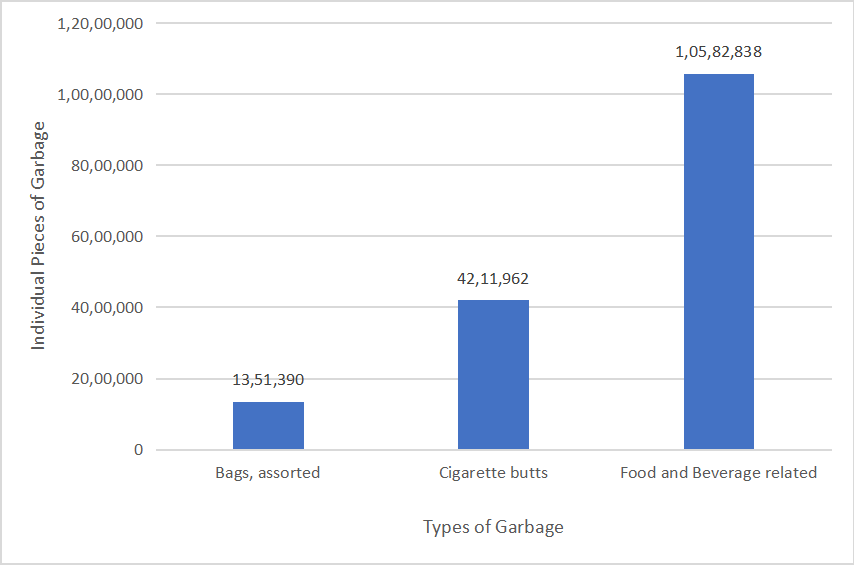
Insert information about the source or presentation of the data if you did not create the figure. Add copyright/permission notes for copied information, even government materials, require 10-point acknowledgment below the image. Be sure to include a permission acknowledgment, e.g., “Reprinted [or adapted] with permission.” See the templates at https://academicwriter-apa-org.library.capella.edu/learn/browse/QG-28.
Table 1
Demographic Information
| Participant | Age | Sex | Position | Years in position |
| P1 | 25-30 | Male | Chairman | 10-15 |
| P2 | 41-45 | Female | CEO | 6-10 |
Note. Potential participants under age 16 were omitted from the sample. Only essential notes need to be included. See Table setup (apa.org) and https://academicwriter-apa-org.library.capella.edu/learn/browse/QG-44?group=All&view=list&term=tables&sort=asc. The Doctoral Publications Guidebook also addresses tables and figures.
References
Abatayo, A. L., Lynham, S. A., & Lamm, K. W. (2020). The influence of communication media on expectations and trust. Human Resource Development Quarterly, 31(2), 157–176. https://doi.org/10.1002/hrdq.21383
Ahmed, J. U., Talukder, N., Alam, S. R., Ahmed, A., & Faroque, A. R. (2021). Rescue mission in the Tham Luang Nang Non cave, Thailand. SAGE Business Cases Originals. https://doi.org/10.4135/9781529758122
Ali, Q. S. A., Khan, M. A., & Ahmed, B. (2023). Systematic literature review of business continuity management: Enabling organizational performance and resilience. Journal of Business Research, 157, 113604. https://doi.org/10.1016/j.jbusres.2022.113604
Amakama, N. J., Raimi, M. O., Isa, L. M., Petrica, A., Babatunde, A. A., Jatau, S. S., & Abdulraheem, F. A. (2024). Advancements in Disaster Response through Telemedicine and Emergency Medical Operating System (TELEMED-EMOS) Integration: A Narrative Review. https://doi.org/10.31124/advance.172416246.69722926/v1
Aon. (2022). World Financial Group Advisor Playbook . https://www.aon.com/getmedia/85b1b2b7-5cb5-445a-8227-dfe32607f288/WFG_Digital-Advisor-Playbook-EN_OCT22.pdf
Apuke, O. D., & Tunca, E. A. (2018). Social Media and Crisis Management: A Review and Analysis of Existing Studies. LAÜ Sosyal Bilimler Dergisi, 9(2), 199–215. https://dergipark.org.tr/tr/pub/euljss/issue/42553/512874
Batur, M., & Alkan, R. M. (2023). What can we learn from past nuclear accidents? A comparative assessment of emergency response to accidents at the Three Mile Island, Chernobyl, and Fukushima Nuclear Power Plants. Advanced Land Management, 3(2), 76-89. https://www.researchgate.net/publication/373389653_
Bindrees, M. A., Pooley, R. J., Ibrahim, I. S., & Taylor, N. K. (2014). Re-Evaluating Media Richness Theory in Software Development Settings. Journal of Computer and Communications, 02(14), 37–51. https://doi.org/10.4236/jcc.2014.214004
Bolea, A., & Atwater, L. (2016). Applied leadership development: Nine elements of leadership mastery. Routledge. https://www.routledge.com/Applied-Leadership-Development/Bolea-Atwater/p/book/9781138909442
Broadsight. (2025). Deepwater Horizon and the cost of poor crisis communication. Broadsight. https://www.broadsight.ca/news/deepwater-horizon-oil-spill-and-bp-communication-failures
Caputo, A., Marzi, G. and Pellegrini, M.M. (2024) ‘Hybrid leadership in turbulent environments: Communication flexibility and adaptive performance’, Leadership Quarterly, 35(1), 101756.
Clark, C. (2023, May 17). FEMA has shed staff at an alarming rate. Government Executive. https://www.govexec.com/workforce/2023/05/fema-has-shed-staff-alarming-rate/386092/
Coombs, W. T. (2007). Ongoing crisis communication: Planning, managing, and responding. SAGE Publications.
CrisisCompass. (2023, May 15). Crisis communication failures: History’s biggest mistakes. https://www.crisiscompass.com.au/crisis-and-resilience-blog/crisis-communication-failures-historys-biggest-mistakes
Cummins, J., & Mahul, O. (2020). Catastrophe Risk Financing in Developing Countries PRINCIPLES FOR PUBLIC INTERVENTION. https://documents1.worldbank.org/curated/en/377421468136797977/pdf/465250PUB0Risk101OFFICIAL0USE0ONLY1.pdf
Daft, R. L., & Lengel, R. H. (1986). Organizational information requirements, media richness, and structural design. Management Science, 32(5), 554–571. https://doi.org/10.1287/mnsc.32.5.554
Defnall, K. (2025, October 27). The Importance of Proactive CAT Claims Management – Davies North America. Davies North America. https://davies-group.com/northamerica/the-importance-of-proactive-cat-claims-management/
Dennis, A.R., Fuller, R.M. and Valacich, J.S. (2008) ‘Media, tasks, and communication processes: A theory of media synchronicity’, MIS Quarterly, 32(3), pp. 575–600.
Diniz, E. H., da Silva, L. A., & Barbosa, A. F. (2025). Human-centered leadership and innovation during uncertainty: A systematic review. Journal of Management Development, 44(1), 45–62. https://doi.org/10.1108/JMD-07-2024-0256
F24/BCI. (2023). Emergency and Crisis Communications Report 2023. F24/Business Continuity Institute. https://f24.com/wp-content/uploads/2023/02/BCI-Emergency-Communications-Report-2023.pdf
Federal Reserve Banks. (2022). 2021 disaster impact report. Federal Reserve System. https://www.federalreserve.gov/publications/disaster-impact-report-2021.htm
FEMA. (2023). FEMA Data Strategy 2023–2027. Federal Emergency Management Agency. https://www.fema.gov/sites/default/files/documents/fema_oppa_data-strategy-2023-2027_042025.pdf
FEMA. (n.d.). Disaster Declarations Summaries (v2) [Data set]. U.S. Department of Homeland Security, Federal Emergency Management Agency. https://www.fema.gov/openfema-data-page/disaster-declarations-summaries-v2
Fernandez, A. A., Bae, J., & Kim, S. (2023). Virtual versus in-person leadership development: Implications for engagement and skill retention. Leadership & Organization Development Journal, 44(5), 623–639. https://doi.org/10.1108/LODJ-01-2023-0031
Foldy, E.G., Goldman, L. & Ospina, S. (2008) ‘Sensegiving and the role of cognitive shifts in the work of leadership’, The Leadership Quarterly, 19(5), pp. 514–529.
Galaitsi, S. E., Pinigina, E., Keisler, J. M., Pescaroli, G., Keenan, J. M., & Linkov, I. (2023). Business continuity management, operational resilience, and organizational resilience: Commonalities, distinctions, and synthesis. International Journal of Disaster Risk Science, 14(4), 713–721. https://doi.org/10.1007/s13753-023-00494-x
Gillespie, N., & Dietz, G., 2009. Trust Repair After An Organization-Level Failure. Academy of Management Review 34 (1), 127-145
Grossman, R. (2020). Leadership Visibility During Crisis: Implications for Trust and Credibility. Journal of Leadership Studies, 14(2), 6–18. https://doi.org/10.1002/jls.21671
Gupta, Y., Liu, Z., & Mostafavi, A. (2023). Digital divide in disasters: Investigating spatial and socioeconomic disparities in internet service disruptions during extreme weather events. arXiv. https://doi.org/10.48550/arXiv.2312.08640
Hamid, A. S., Mohamad, B., & Ismail, A. (2024). Internal crisis communication: exploring antecedents and consequences from a managerial viewpoint. Frontiers in Communication, 9. https://doi.org/10.3389/fcomm.2024.1444114
Harvard Business School Online. (2018). Crisis communication lessons from the Chilean mine rescue. Harvard Business School. https://online.hbs.edu/blog/post/how-teaming-saved-33-lives-in-the-chilean-mining-disaster
Jaafar, I., Statti, A., Torres, K. M., & Pedersen, J. M. (2021). Technology integration and the teacher-student relationship. In D. Ktoridou, E. Doukanari, & N. Eteokleous (Eds.), Fostering meaningful learning experiences through student engagement (pp. 196–213). IGI Global. https://doi.org/10.4018/978-1-7998-4658-1.ch010
Liu, Y., Xu, S., & Zhao, L. (2023). Leader communication in times of crisis: A synthesis of fifty years of research. Journal of Leadership & Organizational Studies, 30(3), 356–372. https://doi.org/10.1177/15480518221112345
Maslach, C. and Leiter, M.P. (2016) Burnout: A Multidimensional Perspective. London: Routledge.
Medina, D. (2025, December 29). Why Communication Skills Are Important In Crisis Situations: An Useful Guide For Frontline Workers – IDEA Training Collaborative. IDEA Training Collaborative. https://ideatraining.org/why-communication-skills-are-important-in-crisis-situations/
Menard, A. (2025). Media richness in NFL communications: A content analysis case study (Doctoral dissertation, Liberty University). https://digitalcommons.liberty.edu/doctoral/7161
Miller, D. R., Maiorani, A., & Turci, M. (2004, January 1). Language as purposeful: functional varieties of texts. https://www.researchgate.net/publication/44705923_Language_as_purposeful_functional_varieties_of_texts
Mitroff, I. I. (2001). Managing crisis before they happen what every executive and manager needs to know about crisis management. In Colorado Christian University (pp. 1–178). New York : AMACOM,. https://ccu.marmot.org/EbraryCCU/EBC243056
NAIC. (2022). Insurance Topics | Natural Catastrophe Risk and Resiliency | NAIC. Naic.org. https://content.naic.org/insurance-topics/natural-catastrophe-risk-and-resiliency
Naruetharadhol, P., & Ketkaew, C. (2018). Managing Claims from Catastrophic Events: An Empirical Study of Claim Management Process Practice and Its Assessment. Change Management: An International Journal, 17(4), 13–26. https://doi.org/10.18848/2327-798x/cgp/v17i04/13-26
National Geographic. (2020, October 13). The Chilean miners rescue, 10 years later. https://www.nationalgeographic.com/history/article/chilean-miners-rescue-10-years-later
Oba, D., & Berger, J. (2024). How communication mediums shape the message. Journal of Consumer Psychology, 34(3), 406-424. https://doi.org/10.1002/jcpy.1372
Palen, L., & Anderson, K. M. (2016). SOCIAL MEDIA RESEARCH. Crisis informatics–New data for extraordinary times. Science (New York, N.Y.), 353(6296), 224–225. https://doi.org/10.1126/science.aag2579
Pedersen, C. L., Ritter, T., & Di Benedetto, C. A. (2020). Managing through a crisis: Managerial implications for business-to-business firms. Industrial Marketing Management, 88, 314– 322. https://doi.org/10.1016/j.indmarman.2020.05.034
Rivero, D. M., de Rojas, J. C., Guadamillas-Gómez, C., & Pérez-Campdesuñer, R. (2023). Service recovery and innovation on customer satisfaction following a massive disruption. International Journal of Disaster Risk Reduction, 91, 104130. https://doi.org/10.1016/j.ijdrr.2023.104130
Roberts, K. H. (1990). Some Characteristics of One Type of High Reliability Organization. Organization Science, 1(2), 160–176. https://www.jstor.org/stable/2635060
Sheer, V. C. (2020). Media Richness Theory. The International Encyclopedia of Media Psychology, 1–14. https://doi.org/10.1002/9781119011071.iemp0118
Short, J. R. (2021). Hurricane Katrina, Infrastructure Deficit, and the Costs of Climate Change. In Stress Testing the USA: Public Policy and Reaction to Disaster Events (pp. 37-86). Cham: Springer International Publishing. https://doi.org/10.1007/978-3-030-65999-8_3
U.S. Government Accountability Office. (2023, May 2). FEMA disaster workforce: Actions needed to improve hiring data and address staffing gaps (GAO-23-105663). https://www.gao.gov/products/gao-23-105663
Vandrevala, T., Morrow, E., Coates, T., Boulton, R., Crawshaw, A. F., O’Dwyer, E., & Heitmeyer, C. (2024). Strengthening the relationship between community resilience and health emergency communication: A systematic review. BMC Global and Public Health, 2(1), Article 79. https://doi.org/10.1186/s44263-024-00112-y
Wang, J., Liu, Y., & Parker, S. K. (2022). How does virtual leadership influence team creativity in extreme contexts? Journal of Organizational Behavior, 43(8), 1231–1248. https://doi.org/10.1002/job.2623
Weick, K. (1995). Sensemaking in Organizations. Thousand Oaks, CA: Sage Publications.
Weick, K. E., & Sutcliffe, K. M. (2015). Managing the unexpected: Sustained performance in a complex world (3rd ed.). Wiley.
